


Blog
Meeting and Event Transportation NYC Planning

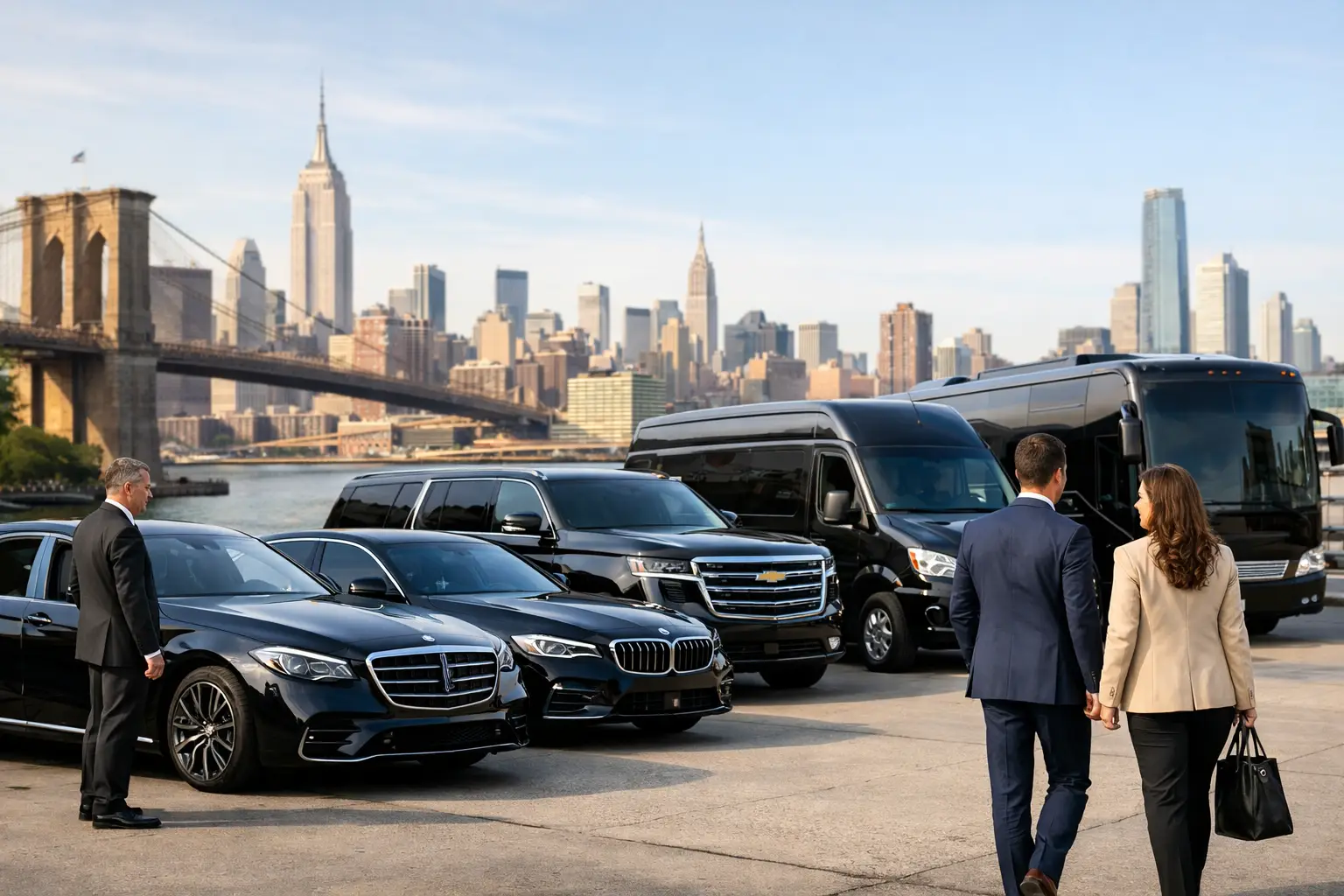
A 9:00 a.m. board meeting in Midtown can unravel before the first presentation if three executives land at different airports, a client is coming from Teterboro, and rain slows traffic through the Queens-Midtown Tunnel. Meeting and event transportation NYC is not simply about reserving vehicles. It is about building a schedule that accounts for real arrival patterns, venue access, luggage, traffic, and the people who need to be in the room on time.
For corporate organizers, executive assistants, wedding planners, and families hosting an important gathering, the best plan is detailed without being complicated. The goal is to give every traveler a clear point of contact and a comfortable, properly sized vehicle while leaving enough time for New York’s daily variables.
Start With the Event Timeline, Not the Vehicle
The vehicle decision matters, but the event schedule should come first. Begin with the time guests or attendees must be at the venue, then work backward through security or check-in procedures, elevator access, registration, and the travel time from each origin point. A Manhattan office tower, for example, may require advance vehicle staging and a designated entrance, while a waterfront venue in Brooklyn may have limited curb space during a busy evening.
For a multi-stop corporate program, identify the fixed points first: airport arrivals, meeting start times, lunch reservations, presentations, and departures. Then separate travelers by their actual needs. An executive arriving at JFK with carry-on luggage may be ready to leave quickly, while a family arriving at Newark with several checked bags may need more time before curbside pickup.
It also helps to distinguish between a schedule that is important and one that is immovable. A road show with meetings in Midtown, Hudson Yards, and Long Island City needs disciplined departure times between stops. A wedding welcome dinner in Southampton may have more flexibility, but guests still need a reliable return plan after the evening ends.
Build Realistic Travel Time Into NYC Event Transportation
New York traffic is highly route-dependent. The fastest route at 7:00 a.m. may be very different from the best route at 5:30 p.m., especially when a trip crosses a bridge or tunnel. Weather, construction, major conventions, holiday weekends, and sporting or cultural events can all affect timing.
A few local planning principles make a meaningful difference:
- Allow extra time for airport arrivals and departures, particularly at JFK and LaGuardia during peak flight periods.
- Avoid scheduling back-to-back Manhattan meetings with no buffer for elevator delays, loading zones, or traffic around Midtown.
- For Long Island programs, account for the direction of travel. Westbound morning travel toward Queens or Manhattan and eastbound Friday travel toward the Hamptons often require additional time.
- In the Hamptons, summer weekends require earlier planning. A route from Manhattan or JFK to Bridgehampton, East Hampton, Sag Harbor, or Water Mill can change significantly depending on the day and departure window.
The right buffer is not always the largest possible buffer. For a small executive team traveling from a Midtown hotel to a Financial District meeting, arriving 15 to 20 minutes early may be appropriate. For a group of 50 wedding guests traveling between a ceremony and reception, the staging plan, headcount, and venue access may matter more than adding another few minutes to the drive.
Choose Vehicles Around People, Luggage, and the Program
A sedan is well suited to a single executive or a couple traveling light. A full-size luxury SUV is often a practical choice for airport transfers, private jet arrivals, or senior attendees who value additional room. For groups, executive Sprinter vans provide a comfortable way to keep colleagues, families, or wedding guests together rather than dividing them across multiple arrivals.
Capacity is only one part of the decision. Ask how many pieces of luggage are expected, whether attendees are carrying presentation materials, and whether the group must travel together. A seven-passenger group with airport luggage may need more space than a similarly sized group going from a Manhattan office to a dinner reservation.
For larger programs, use a fleet plan rather than trying to place every guest in one vehicle type. A common arrangement might include luxury SUVs for executives and speakers, Sprinter vans for teams arriving from JFK or LaGuardia, and an executive shuttle for a larger group transfer. This approach keeps the experience appropriate for each traveler while making arrivals easier to manage.
When Multiple Vehicles Are the Better Choice
One large group vehicle is not always the most efficient answer. If guests are arriving at separate terminals, staying at different hotels, or leaving at different times, several coordinated vehicles can reduce waiting and keep the program moving. This is especially useful for conferences with breakout schedules or weddings where guests are spread across Southampton, East Hampton, and nearby towns.
A professional dispatcher can coordinate vehicle order, chauffeur contact details, pickup windows, and updated flight information. That coordination becomes particularly valuable when a delayed flight affects only part of the group and the rest of the schedule still needs to proceed.
Plan Airport and Private Aviation Transfers Carefully
Airport transportation is often the first and last impression attendees have of an event. At JFK, LaGuardia, and Newark, terminal conditions and pickup procedures can vary by time of day. Providing the arriving passenger’s airline, flight number, mobile number, luggage expectations, and final destination helps the transportation team prepare correctly.
WTM365 | U.S. Limosystems is licensed by the NYC TLC under license #B03334 and holds Port Authority Permit #AXA-170 for authorized passenger pickup and drop-off at JFK, LaGuardia, and Newark. For planners, that means working with an established local operator familiar with airport procedures rather than leaving an important arrival to chance.
A JFK Van Service arrangement is particularly useful when several colleagues arrive on the same flight or when a family needs room for luggage. For private aviation at Teterboro or Westchester County Airport, the key detail is the FBO location and the exact timing of the aircraft’s arrival. Chauffeurs should be positioned based on the operation’s instructions, not simply the airport name.
Do not overlook late-night arrivals. A traveler landing at JFK after a long international trip may not want to coordinate several calls or search for a vehicle after collecting luggage. Clear instructions before departure, including who to contact after landing, create a much calmer arrival.
Communicate One Clear Plan to Every Guest
Even a well-designed transportation schedule can fail if attendees do not know where to be. Send a concise transportation note before the event with the pickup time, pickup address, vehicle description, contact number, and any venue-specific instructions. For group transfers, ask guests to be ready a few minutes before the stated departure time, especially where loading space is limited.
For corporate meetings, executives appreciate a short itinerary that includes the chauffeur’s name and mobile contact on the day of service. For weddings, guest communication should be simpler: pickup locations, departure windows, and return service information. A Hampton Van Service plan is most effective when guests understand whether transportation is running on set departures or individual pickup times.
It is also wise to designate one decision-maker. That person may be an executive assistant, meeting planner, wedding coordinator, or family member. The transportation provider should know who can approve schedule adjustments if a flight delay, weather event, or venue change affects the plan.
Account for Venue Access and End-of-Event Departures
Manhattan hotels, corporate campuses in Melville or Hauppauge, and event venues in Brooklyn all have different loading realities. Some locations require vehicles to arrive in a specific order. Others have limited curb access, busy pedestrian areas, or building staff who need advance notice. Share the exact entrance, loading instructions, and on-site contact before the event date.
The return trip deserves the same attention as the arrival. At a gala, guests may leave gradually. At a conference, everyone may exit at once. At a Hamptons wedding, return transportation may need to operate in waves between the venue and accommodations in Southampton, Bridgehampton, or Sag Harbor. The right approach depends on the guest count, the venue’s location, and whether departures are likely to be staggered.
For recurring corporate travel, keep a record of what worked. The preferred pickup entrance, the useful buffer between meetings, and the right vehicle mix for a visiting team can all make the next program easier to organize.
When your meeting, conference, wedding, or private event has people arriving from different points across New York, Long Island, and the Hamptons, advance coordination is the practical advantage. Share the schedule early, confirm the details that affect the trip, and reserve transportation with a team that understands the routes, airports, and venues involved.
